


Breast Implant Removal
Breast implant removal, also known as explantation, is a surgical procedure to remove breast implants, with or without removal of the surrounding scar tissue. Patients choose breast implant removal for many reasons, including changes in personal preference, lifestyle, implant age, or concerns about comfort, appearance, or long-term health.
Some patients simply feel that implants no longer fit their body or goals. Others experience implant-related changes over time and decide that removal is the right next step.
Breast implant removal involves surgically removing breast implants and evaluating the surrounding capsule, which is the natural scar tissue that forms around every implant. Depending on the patient’s anatomy, implant history, and clinical findings, implant removal may be performed alone or combined with a capsulectomy.
A capsulectomy refers to partial or complete removal of the capsule. In select cases, an en bloc capsulectomy, where the implant and capsule are removed together, may be recommended when medically appropriate.
Many patients benefit from combining breast implant removal with a breast lift (mastopexy) to improve breast shape, position, and firmness after the implants are removed. This can be performed during the same surgery, and patients can learn more by visiting our Breast Lift procedure page.
Dr. Parcells and Dr. Pasick carefully assess each patient to determine the safest and most appropriate approach based on symptoms, implant type, duration, and individual goals.
There is no exact time frame that determines when breast implants must be removed. However, on average, breast implants typically last 10 to 20 years.
The decision to proceed with breast implant removal may be influenced by implant age, aesthetic changes, capsular contracture, rupture, discomfort, or personal concerns related to health and safety. The development of any implant-related issues – or simply a desire to remove implants – can drive the decision for removal at any time.
Breast Implant Illness is a term used to describe a group of systemic symptoms that some patients associate with having breast implants. These symptoms may include fatigue, brain fog, joint or muscle pain, rashes, hair changes, or other nonspecific concerns.
BII is not currently recognized as a formal medical diagnosis, and research is ongoing. However, some studies and patient-reported data suggest that certain patients experience improvement in symptoms after breast implant removal, particularly when combined with capsulectomy.
Dr. Parcells and Dr. Pasick discuss the current evidence openly and help patients make informed decisions based on symptoms, data, and individual risk factors.
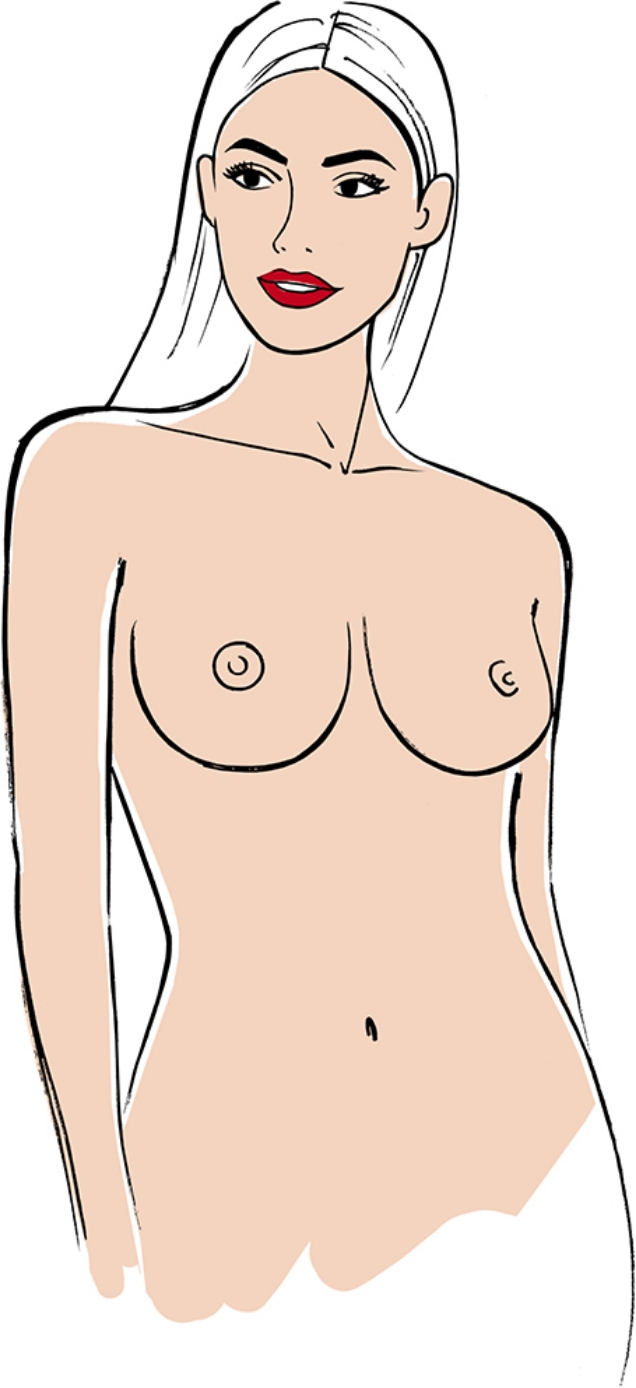
During your consultation, you will meet with one of our board-certified plastic surgeons to discuss your implant history, symptoms, and goals. A detailed evaluation of your breasts, implants, and capsule will be performed.
Dr. Parcells and Dr. Pasick will review implant type, placement,
duration, and any prior imaging. They will explain options for
implant removal alone versus removal with capsulectomy and whether a breast lift is recommended at the same time.
You will receive a personalized surgical plan along with clear information about anesthesia, recovery, and expected outcomes.
You may be a good candidate for
Breast Implant Removal if you:
- Have breast implants and wish to have them removed
- Have implants that are aging or nearing the end of their lifespan
- Experience capsular contracture, rupture, or discomfort
- Have health or safety concerns related to implants
- Desire a more natural breast appearance
- Are in good overall health
- Do not smoke or are willing to stop before surgery
- Have realistic expectations about breast shape after removal
Your surgeon will discuss whether combining implant removal with a breast lift may help optimize your results.

Recovery depends on whether implant removal is performed alone or with capsulectomy and/or breast lift. Swelling, soreness, and tightness are common in the early recovery period.
Most patients return to light activity within one to two
weeks, with gradual return to exercise over several weeks. Breast shape continues to change as tissues heal and adjust.
Final results evolve over several months.

The cost of breast implant removal varies depending on surgical complexity, whether capsulectomy is performed, and whether additional procedures, such as a breast lift, are included.
In certain cases, insurance may cover medically necessary implant removal, such as for rupture or severe capsular contracture. Our team will review your benefits and discuss coverage options when applicable.
A detailed cost estimate will be provided during your consultation.
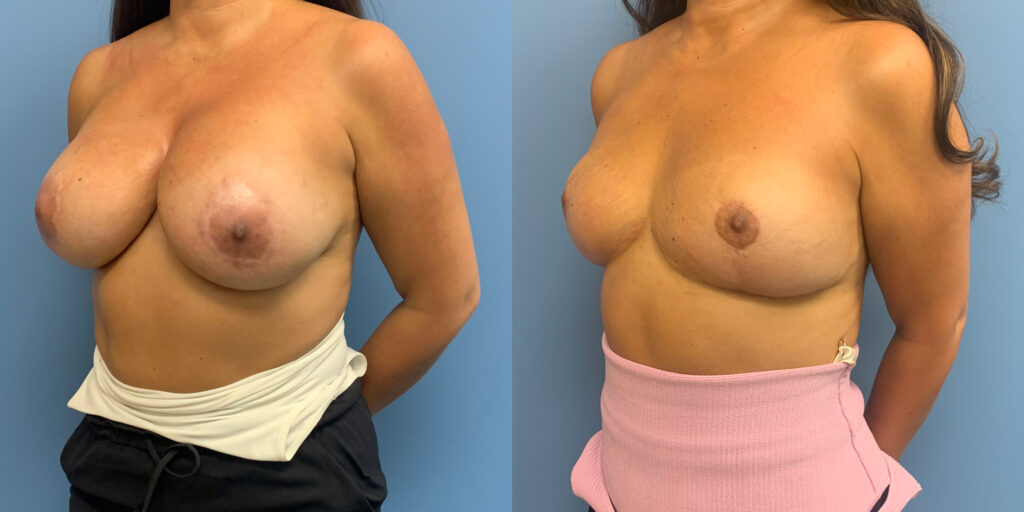
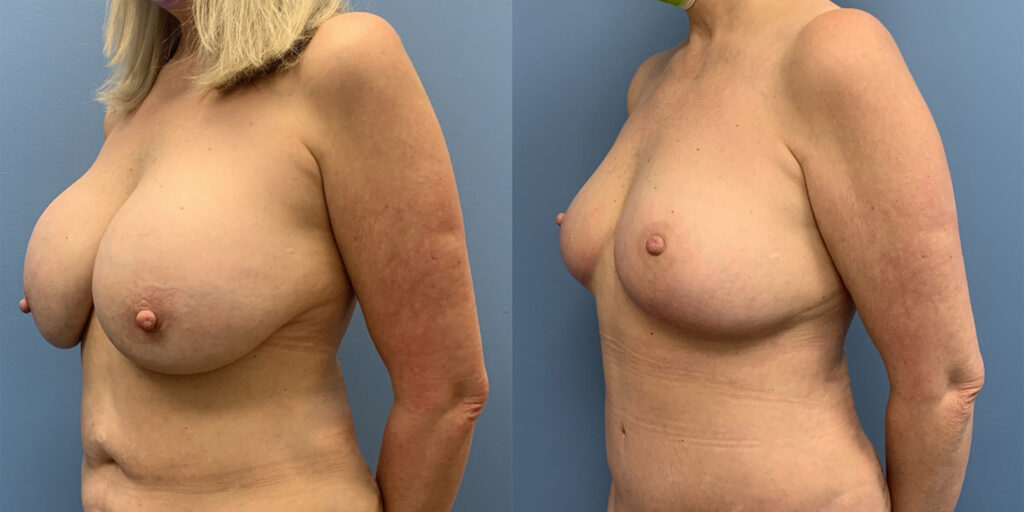
Before and After
Results after breast implant removal depend on implant size, skin quality, and whether a breast lift is performed. Many patients choose to combine implant removal with a breast lift to achieve a more balanced and youthful breast shape.
Before-and-after photos may be reviewed during your consultation to help set realistic expectations.
Why Choose Us For Your Breast Implant Removal Surgery
Our practice takes a thoughtful, patient-centered approach to breast implant removal and explantation surgery. Education, safety, and individualized planning are central to every consultation.
Dr. Parcells and Dr. Pasick are board-certified plastic surgeons with extensive experience in breast surgery, including implant removal, capsulectomy, and breast lift procedures. Together, they provide expert care in a supportive and judgment-free environment.