

Lower Blepharoplasty (Lower Eyelid Lift)
Softening Shadows
and Restoring Radiance
Lower blepharoplasty is a surgical procedure designed to rejuvenate the under-eye area by smoothing contour irregularities, reducing puffiness, and softening shadows that can make the eyes appear tired or aged.
As the tissues beneath the eyes change over time, fat pads may protrude, skin and muscle can loosen, and hollowness or shadowing can develop. Lower eyelid surgery restores balance to this delicate area while preserving the natural shape and expression of the eyes.
Lower blepharoplasty, also known as a lower eyelid lift, addresses aging of the under-eye region by reshaping or repositioning the fat pads beneath the eyes, tightening the lower eyelid support structures when needed, and removing excess skin in select cases.
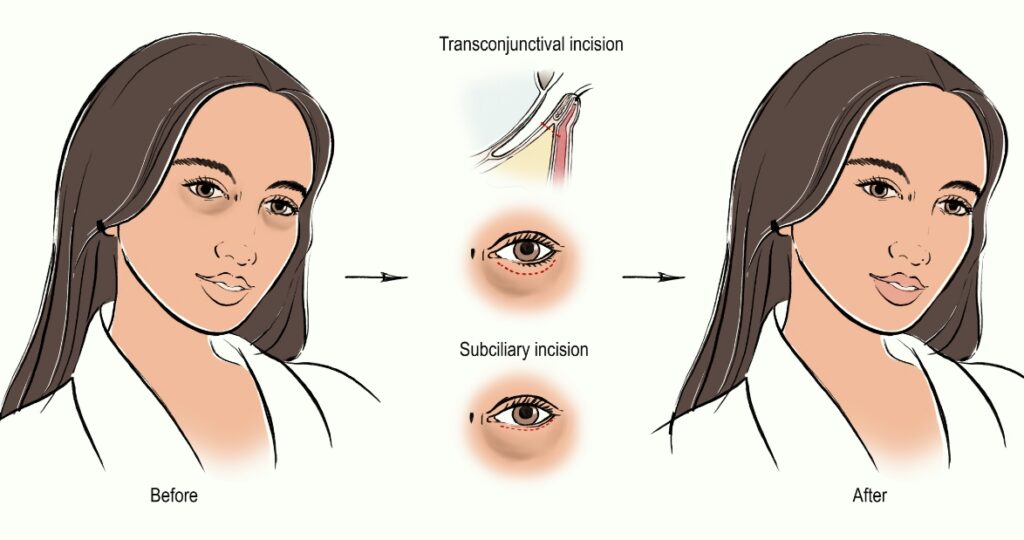
Depending on your anatomy, the procedure may be performed through a hidden incision inside the eyelid (transconjunctival) or just beneath the lash line (subciliary). The goal is to smooth the lid–cheek transition, reduce shadowing, and restore a rested, natural appearance—without altering eye shape.
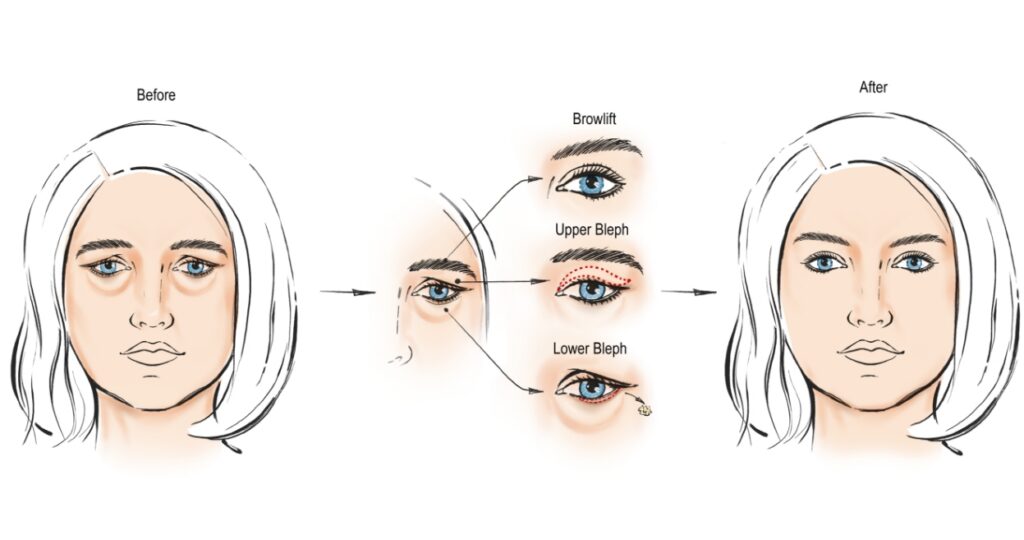
During your consultation, Dr. Kapadia will perform a comprehensive evaluation of the lower eyelids, including eyelid laxity, fat pads, muscle tone, and the eyelid–cheek junction.
Your anatomy will guide the surgical approach, including whether fat should be repositioned or refined, and
whether additional eyelid support is beneficial. The potential role of fat grafting or complementary treatments may also be discussed.
A personalized plan is developed based on your anatomy, goals, and desired outcome.
You may be a good candidate for
lower eyelid surgery if you:
- Have under-eye bags or puffiness
- Notice hollowing or deep tear troughs
- Have loose or crepey lower eyelid skin
- Feel shadows make you look tired or stressed
- Are in good overall health
- Desire a refreshed but natural appearance
Lower blepharoplasty is highly individualized and tailored
to each patient’s anatomy.
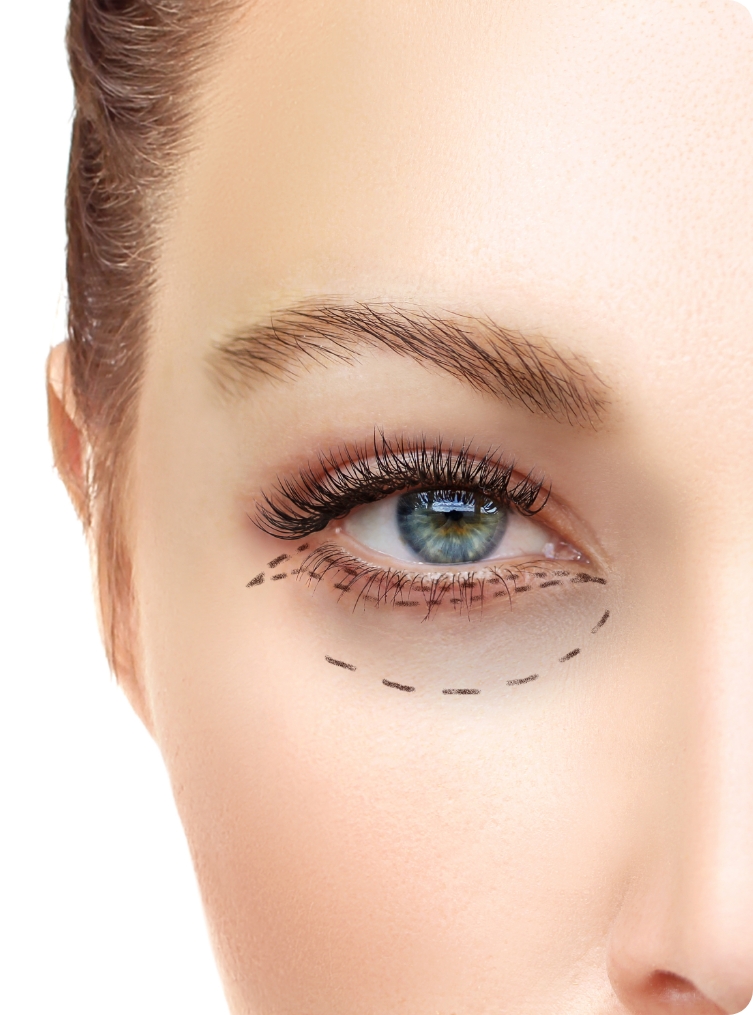
Lower blepharoplasty is performed as an outpatient procedure.
Surgical techniques may include:
A transconjunctival approach, with an incision inside the eyelid and no external scar
A subciliary approach, with an incision just below the lashes when skin tightening or muscle support is needed
The procedure typically involves repositioning or refining the lower eyelid fat pads, supporting
the eyelid when necessary, and smoothing the transition between the eyelid and cheek.
Recovery from lower eyelid surgery is gradual, as the lower eyelids tend to swell more than the upper lids.
Most patients experience temporary swelling, bruising, and tightness that improves with time. Light sensitivity or irritation may occur initially and improve with supportive care.
Patients generally return to light daily activities relatively quickly, with a gradual return to normal routines as healing progresses. Final contour refinement continues as swelling resolves and tissues settle.

The cost of lower blepharoplasty varies based on the surgical approach and whether additional procedures are performed.
Lower eyelid surgery is typically considered cosmetic. Pricing and financing options are reviewed during consultation.
Lower eyelid surgery requires precision and a deep understanding of periorbital anatomy. Dr. Kapadia’s approach emphasizes fat preservation or repositioning, eyelid support, and natural contour-avoiding a hollowed or over-tightened appearance.
Each surgical plan is carefully customized to restore balance and radiance while preserving the unique expression of the eyes.