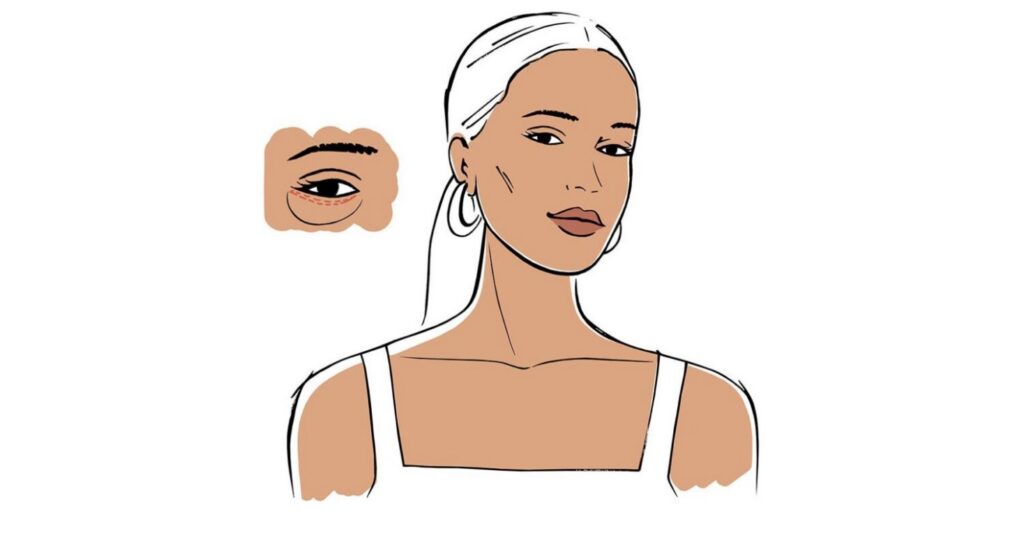
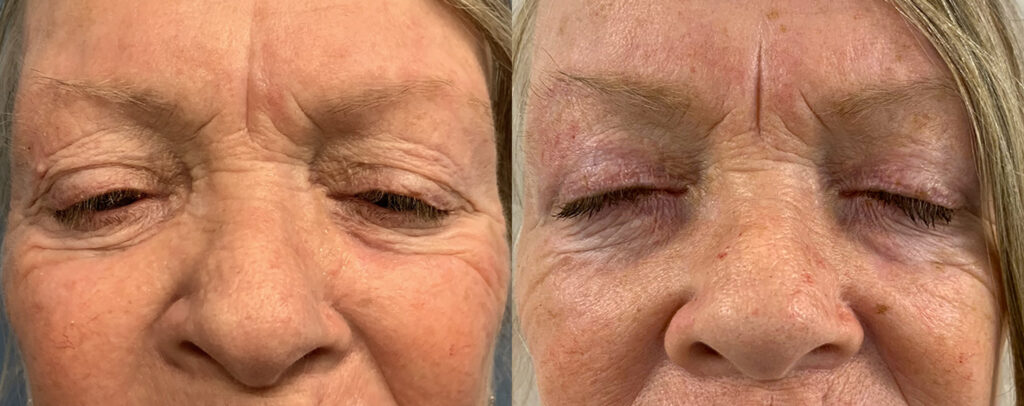
Upper blepharoplasty is a surgical procedure designed to refresh and restore the appearance of the upper eyelids. Over time, excess skin and tissue can accumulate in this delicate area, creating heaviness or hooding that may make the eyes appear tired or less open.
Upper eyelid surgery helps brighten the eyes and restore definition while preserving natural expression and facial balance.
What Is Upper Blepharoplasty?
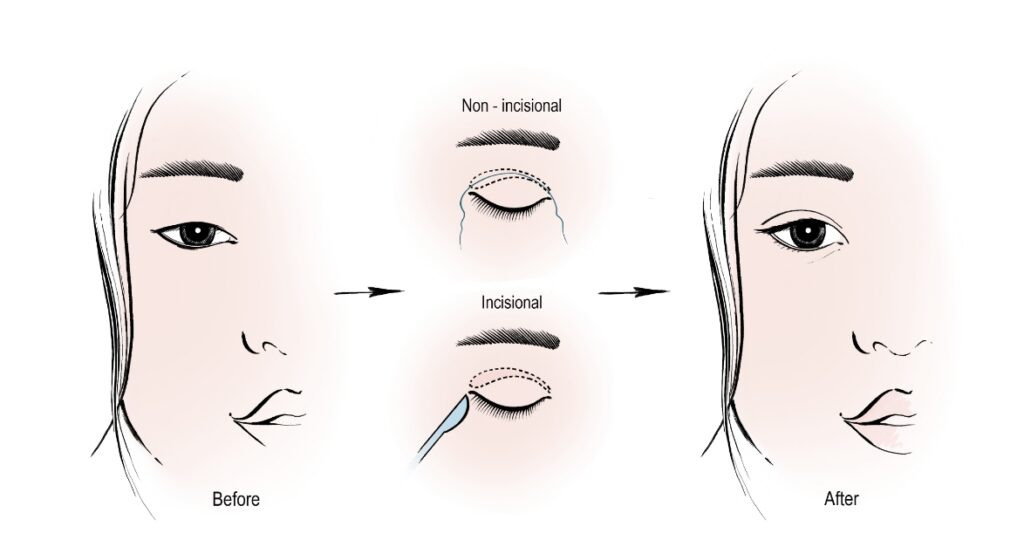
Upper blepharoplasty, also known as an upper eyelid lift, removes excess skin—and when appropriate, small amounts of muscle or fat—from the upper eyelids. The goal is to improve eyelid contour, reduce hooding, and create a more open, refreshed appearance.
Incisions are placed within the natural eyelid crease so that scars heal discreetly and blend naturally over time.
Benefits of Upper Blepharoplasty
Reduces eyelid hooding
Creates a more open, refreshed appearance.
Improves eyelid definition
Restores a natural upper eyelid crease.
Brightens the eyes
Helps eliminate a tired or heavy look.
Improves makeup application
Reduces excess skin that interferes with cosmetics.
May improve visual field
When overhanging skin obstructs vision.
Natural-looking results
Preserves facial expression and individuality.
What Happens During Your
Upper Blepharoplasty Consultation?
During your consultation, Dr. Kapadia will evaluate your eyelid anatomy, brow position, and degree of skin excess.
Your medical history, vision concerns, and aesthetic goals will be reviewed. Dr. Kapadia will also assess whether upper
blepharoplasty alone or in combination with a brow lift would provide the most balanced and natural result.
A personalized surgical plan is created based on your anatomy and goals.
Who is a good candidate
for Upper Blepharoplasty?
You may be a good candidate for Upper eyelid surgery if you:
Have drooping or heavy upper eyelids
Notice hooding that makes the eyes appear tired
Have excess skin affecting makeup application
Experience visual obstruction from overhanging skin
Are in good overall health
Desire natural, refreshed results
Upper blepharoplasty is highly individualized, and timing is based on anatomy and readiness rather than age alone.
What Happens During
Upper Blepharoplasty Surgery?
Upper blepharoplasty is typically performed as an outpatient procedure. It may be done under local anesthesia with sedation or general anesthesia when combined with other facial procedures.
The procedure includes:
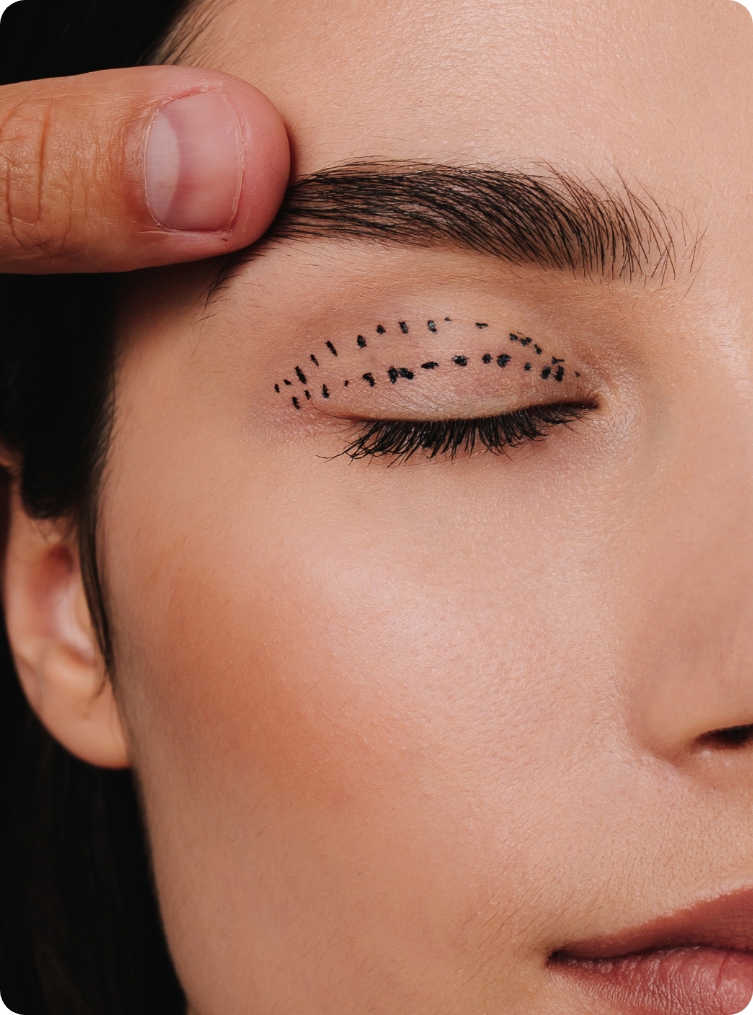
Marking the natural eyelid crease
Removing excess skin
Sculpting or repositioning underlying muscle, fat pads, or lacrimal gland when appropriate
Closing the incision carefully within the eyelid crease
What Is Recovery from Upper Blepharoplasty Like?
Recovery from upper eyelid surgery is generally smooth and well tolerated. Most patients experience temporary swelling, bruising, or tightness that gradually improves as healing progresses.
Patients are typically able to return to light daily activities
relatively quickly, with a gradual return to normal routines as comfort allows. Makeup and contact lenses can usually be resumed once healing is adequate.
Final eyelid refinement continues over time as tissues settle and scars mature.
How Much Does
Upper Blepharoplasty Cost?
The cost of upper blepharoplasty depends on the complexity of surgery and whether additional procedures are performed.
Upper eyelid surgery may be partially covered by insurance if there is documented visual obstruction. Pricing and insurance considerations are reviewed during consultation.
Before and After
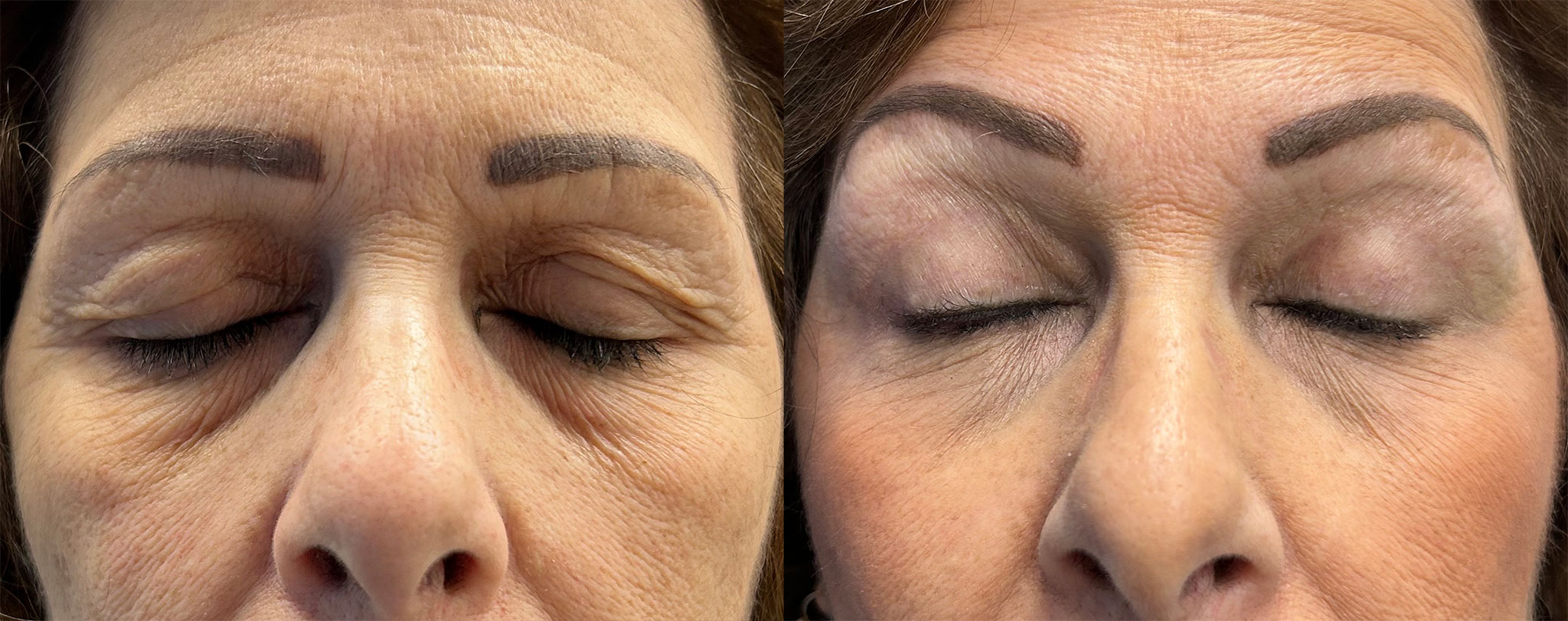
Upper blepharoplasty results become apparent as swelling resolves. The eyes appear brighter, more open, and refreshed while maintaining natural expression.
Before-and-after photos may be reviewed during your consultation to help set realistic expectations.
Upper eyelid surgery requires precision, restraint, and a deep understanding of facial balance. Dr. Kapadia’s approach focuses on restoring harmony and definition while preserving individuality and natural expression.
Each surgical plan is carefully tailored to the patient’s anatomy and long-term goals.