



Facial Reconstruction
Restoring Form, Function,
and Confidence With
Precision and Compassion
Facial reconstruction focuses on restoring balance, comfort, and confidence after changes caused by skin cancer treatment, trauma, prior surgery, or naturally occurring skin concerns. Whether addressing a visible scar, reconstructing tissue after Mohs surgery, or removing a bothersome mole, reconstructive procedures are designed to blend seamlessly with your natural facial features.
Our approach combines advanced reconstructive techniques with thoughtful, patient-centered care – supporting both physical healing and emotional well-being throughout the process.
Facial reconstruction encompasses a range of procedures that restore the appearance and function of the face following tissue loss, scarring, or skin irregularities. These treatments prioritize natural contours, discreet healing, and preservation of facial movement and expression.
Reconstructive procedures may be performed in-office or in the operating room, depending on the complexity and goals of treatment.
During your consultation, Dr. Kapadia will take time to understand both the physical and personal aspects of your concern.
This includes reviewing medical history, prior procedures, pathology reports (when applicable), and any functional symptoms such as tension or discomfort. A detailed facial
assessment is performed to determine the most appropriate reconstructive approach.
A personalized plan is created with a focus on restoring balance, integrity, and confidence.
Dr. Kapadia is board-eligible in plastic surgery.
Facial reconstruction may be appropriate if you are seeking treatment for:
- Skin cancer excision or post-Mohs defects
- Prominent or unwanted facial moles
- Scars from surgery, trauma, burns, or acne
- Skin irregularities affecting confidence or comfort
- Functional issues caused by scar tension or tissue loss
Each treatment plan is designed to restore both appearance and
function with natural-looking results.

Skin Cancer & Post-Mohs
Reconstruction
After Mohs surgery or skin cancer excision, reconstruction helps restore facial contour, minimize scarring, and preserve function.
Reconstruction may involve local tissue rearrangement, skin grafting, or structural support when needed. Techniques are selected to match skin color, texture, and facial movement as closely as possible while keeping scars discreet.
Mole
Removal
Facial mole removal is performed with precision and attention to scar quality.
Procedures are typically done in-office under local anesthesia and tailored to the mole’s size, depth, and location. When appropriate, pathology evaluation is recommended. The goal is clean removal with the smallest, least noticeable scar possible.
Scar Treatment
& Revision
Scar revision addresses scars that are raised, indented, tight, uneven, or visually distracting.
Treatment options may include surgical revision, laser therapy, microneedling, steroid injections, resurfacing, or fat grafting – depending on scar type and location. Each approach is chosen to soften appearance, improve comfort, and restore facial harmony.
Recovery depends on the specific procedure performed. Mild swelling, bruising, or redness is common and improves gradually as healing progresses.
Most patients return to normal daily activities relatively
Quickly. Scar appearance continues to refine over time with proper care and follow-up guidance.
Recovery is approached as a partnership, with ongoing support and clear communication throughout healing.

The cost of facial reconstruction varies based on the type and complexity of the procedure.
Some reconstructive procedures – particularly those related to skin cancer treatment – may be covered by insurance. Coverage and costs are reviewed during consultation.
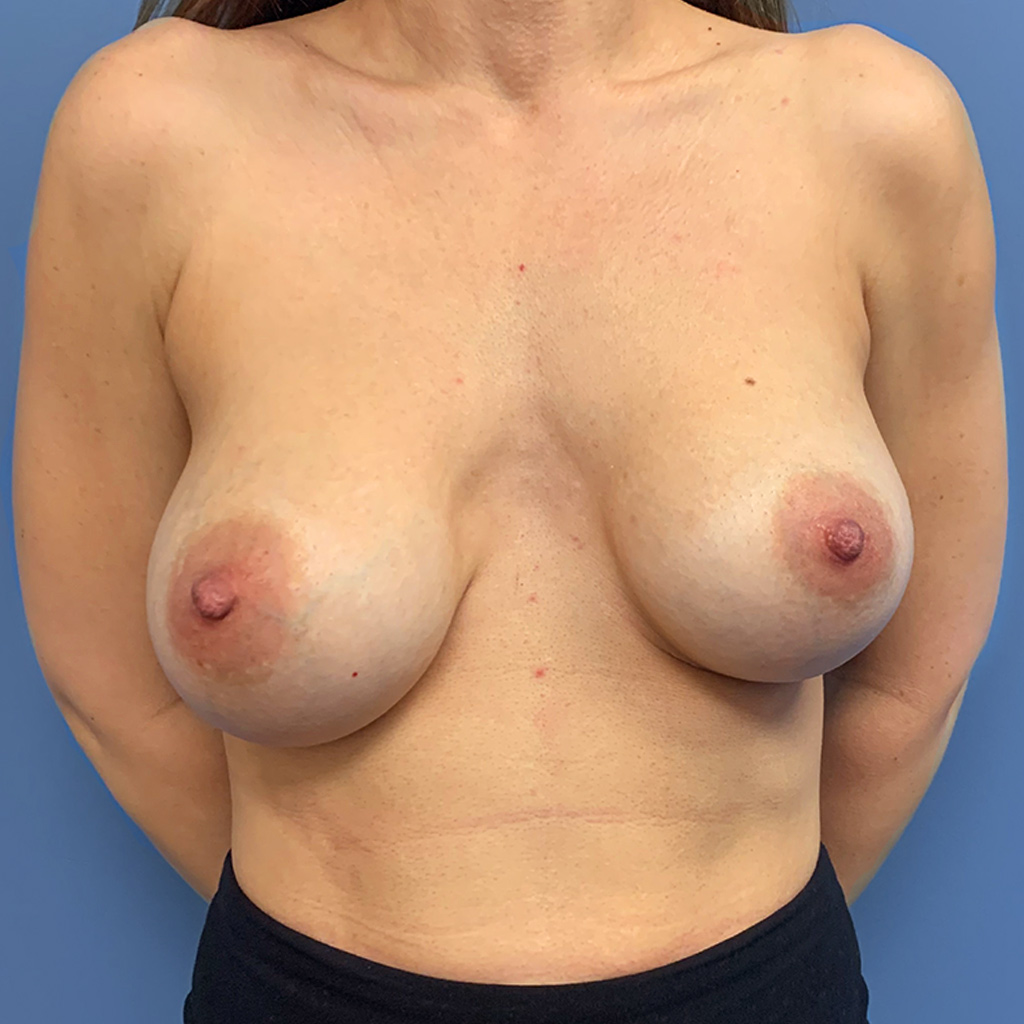
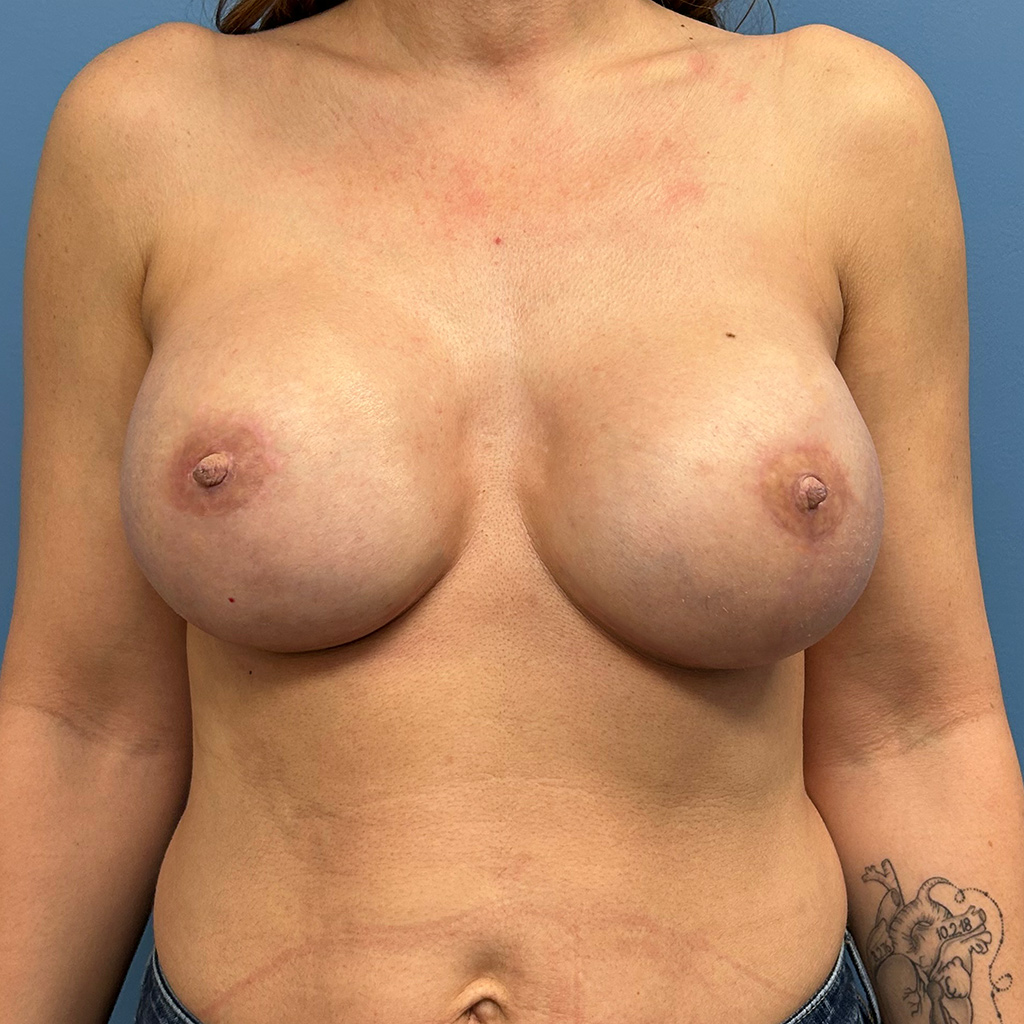
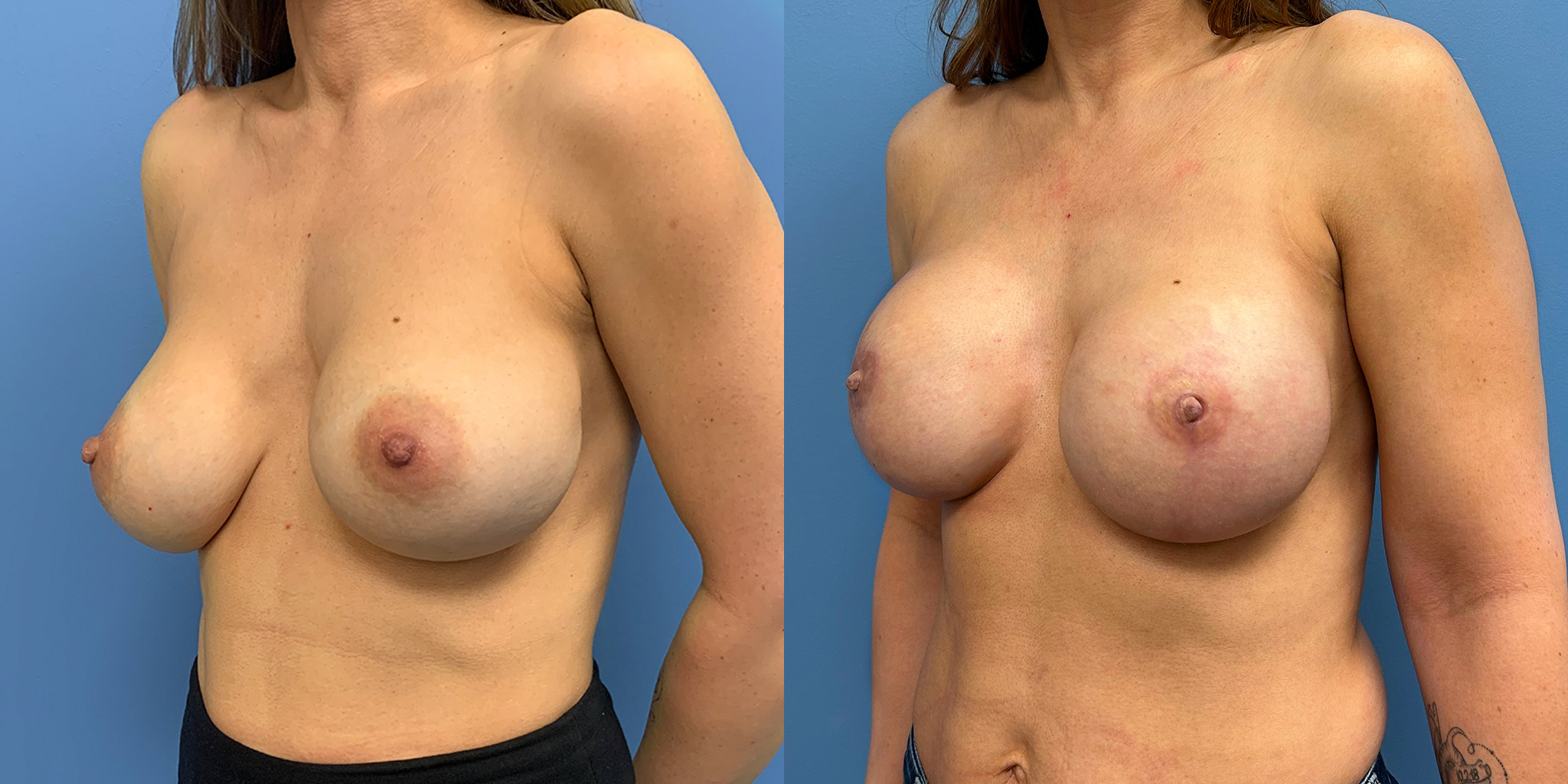
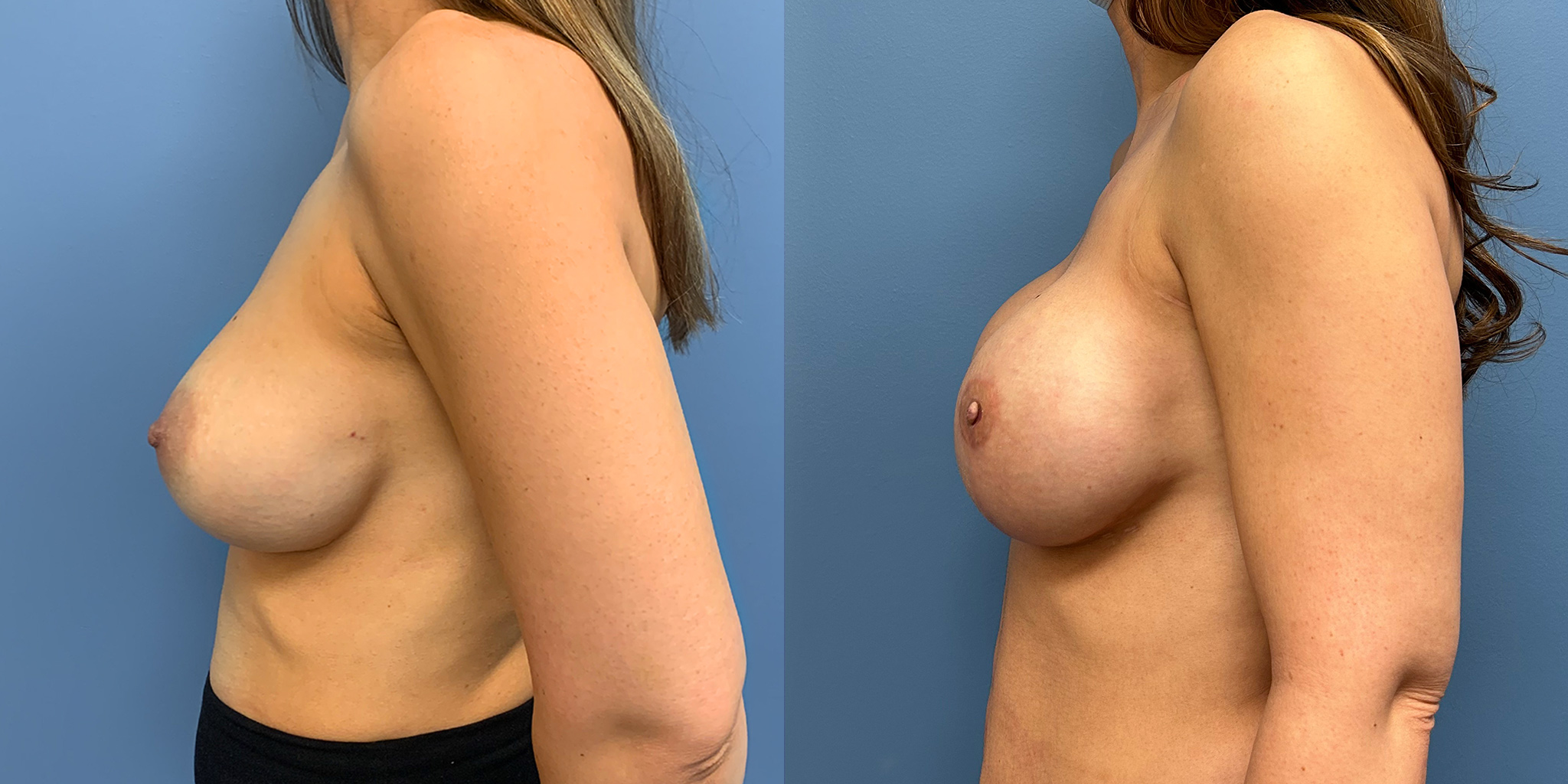
Facial reconstruction requires technical expertise, precision, and thoughtful judgment. Dr. Kapadia’s approach prioritizes natural contours, discreet healing, and preservation of facial expression and function.
Each plan is tailored to the individual, with careful attention to both surgical detail and patient experience.